
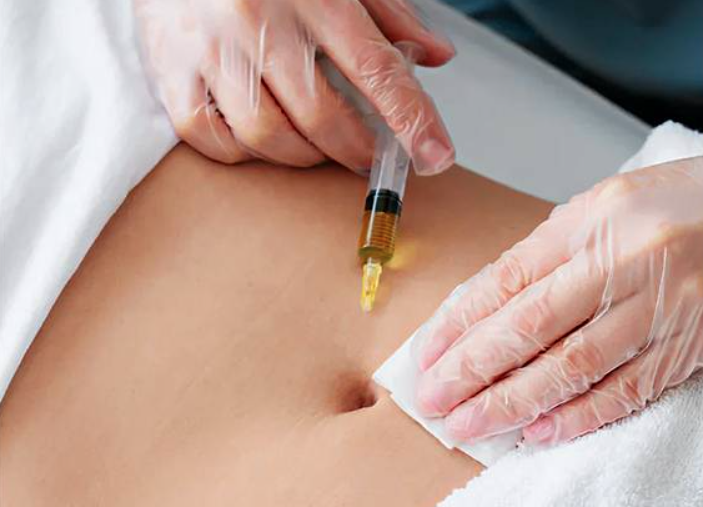
Weight loss injections have become an increasingly popular option for people looking for medically supervised support with weight management. While healthy eating, regular exercise, quality sleep, and stress management remain the foundation of long-term weight control, some individuals may benefit from prescription treatments that help regulate appetite, improve metabolic control, and make it easier to maintain healthier habits.
Unlike cosmetic body contouring procedures that focus on isolated areas of fat, weight loss injections are generally intended to support overall weight management in eligible individuals. They are prescribed after a medical assessment and are typically combined with lifestyle changes to improve the chances of sustainable results. Understanding how these treatments work, who they may be suitable for, and how they differ from other injectable fat treatments can help individuals make informed decisions.
How Weight Loss Injections Work
Weight loss injections are prescription medications that act on hormones involved in appetite regulation and blood sugar control. Depending on the specific medication, they may help people feel fuller for longer, reduce hunger, and decrease food cravings.
These treatments can support weight management by:
- Helping regulate appetite.
- Increasing feelings of fullness after meals.
- Supporting better blood sugar control.
- Making it easier to follow a reduced-calorie eating plan.
- Encouraging gradual and sustainable weight loss when combined with lifestyle changes.
The exact mechanism depends on the medication prescribed. A healthcare professional will determine which treatment, if any, is appropriate based on a person’s medical history, weight, and health goals.
Fat Removal Injections: How Are They Different?
Fat Removal Injections
Fat removal injections are different from prescription weight loss injections because they are primarily used for localized body contouring rather than overall weight management. These treatments are designed to target specific pockets of fat in selected areas of the body.
Common treatment areas may include:
- Double chin
- Abdomen
- Arms
- Thighs
- Flanks or love handles
While weight loss injections affect appetite and metabolism, fat removal injections focus on improving the contour of a particular area. They are not intended to replace medical weight management or produce significant overall weight loss.
Fat Melting Injections for Localized Fat
Fat Melting Injections
Fat melting injections are cosmetic injectable treatments that aim to reduce stubborn fat deposits beneath the skin. Depending on the product used, they work by disrupting fat cells so the body can gradually process the treated area over time.
These procedures are generally considered by people who:
- Are close to their desired body weight.
- Have isolated areas of fat.
- Want a non-surgical body contouring option.
- Maintain a healthy lifestyle but still have stubborn fat pockets.
Results are usually gradual rather than immediate, and the number of sessions required varies depending on the treatment area and individual response.
Fat Reduction Injections and Body Contouring
Fat Reduction Injections
Fat reduction injections are another category of cosmetic injectable treatments that focus on localized body shaping. Rather than reducing overall body weight, they are intended to improve the appearance of specific areas where fat is difficult to lose through diet and exercise alone.
Potential benefits may include:
- Targeted treatment of localized fat.
- No surgical incisions.
- Minimal downtime compared with surgery.
- Gradual, natural-looking contour changes.
Suitability depends on the individual’s health, the area being treated, and realistic expectations about the outcome.
Fat Dissolving Injection: What to Know
Fat Dissolving Injection
A fat dissolving injection is a minimally invasive aesthetic treatment used to target localized fat deposits. The active ingredient is injected into selected areas, where it works on fat cells that the body gradually processes and eliminates.
Commonly treated areas include:
- Chin
- Jawline
- Abdomen
- Upper arms
- Thighs
This type of treatment is intended for body contouring rather than overall weight loss. A professional consultation is important to determine whether it is appropriate for a particular area and to discuss the expected treatment plan.
Who May Be Suitable for Weight Loss Injections?
Weight loss injections are not suitable for everyone. They are generally considered for people who meet specific medical criteria, which may include body mass index (BMI), weight-related health conditions, and previous attempts at lifestyle-based weight loss.
A healthcare provider may assess:
- Current weight and BMI.
- Medical history.
- Existing health conditions.
- Medications being taken.
- Pregnancy or breastfeeding status.
- Previous weight management efforts.
The goal is to ensure that treatment is both safe and appropriate for the individual.
What to Expect During Treatment
The treatment process usually begins with a detailed medical consultation. During this appointment, the healthcare professional discusses health goals, reviews medical history, and explains the potential benefits and risks.
If a prescription treatment is recommended, the plan may include:
- A starting dose based on the chosen medication.
- Regular follow-up appointments.
- Monitoring for side effects.
- Lifestyle advice related to nutrition and activity.
- Adjustments to the treatment plan if necessary.
Many prescription weight loss injections are administered on a regular schedule, but the exact frequency depends on the medication.
Benefits of a Medically Supervised Approach
A medically supervised program offers several advantages over attempting weight loss without professional guidance.
These may include:
- Personalized treatment plans.
- Monitoring of progress.
- Early identification of side effects.
- Nutrition and lifestyle support.
- Adjustments based on individual response.
This structured approach can help people stay focused on long-term health rather than short-term changes alone.
Possible Side Effects
Like all medications, weight loss injections can have side effects. The type and severity depend on the medication and the individual.
Possible side effects may include:
- Nausea
- Digestive discomfort
- Changes in appetite
- Constipation or diarrhea
- Headache
- Fatigue
Many side effects are mild and may improve as the body adjusts to treatment, but they should always be discussed with the prescribing healthcare professional.
Cosmetic fat-dissolving injections may also cause temporary swelling, redness, tenderness, or bruising around the treated area.
Weight Loss Injections vs. Cosmetic Fat Injections
Although the names sound similar, these treatments serve different purposes.
Weight loss injections are medical treatments aimed at helping eligible individuals manage their overall body weight by influencing appetite and metabolic pathways. Cosmetic fat injections, including fat removal, fat melting, fat reduction, and fat dissolving injections, are aesthetic procedures intended to improve the contour of specific body areas.
Some people may be interested in both approaches, but they should be evaluated separately by qualified professionals to determine whether either treatment is appropriate.
Supporting Long-Term Results
Whether someone is using prescription weight loss injections or undergoing cosmetic body contouring treatments, healthy lifestyle habits remain important.
Helpful strategies include:
- Eating a balanced diet with adequate protein and fiber.
- Staying physically active.
- Drinking enough water.
- Getting sufficient sleep.
- Managing stress.
- Attending scheduled follow-up appointments.
These habits can support overall health and help maintain results over time.
Why Professional Guidance Matters
Injectable treatments should always be provided or prescribed by qualified healthcare professionals. Proper assessment helps identify whether the treatment is suitable and reduces the risk of inappropriate use.
A professional consultation should include:
- Medical history review.
- Discussion of goals.
- Explanation of expected outcomes.
- Information about risks and side effects.
- Clear aftercare instructions.
Choosing a reputable clinic with experienced practitioners is an important part of a safe treatment journey.
Can these treatments replace diet and exercise?
No. They are generally used as part of a broader health or aesthetic plan. Healthy eating and regular physical activity remain important for long-term results.
Weight loss injections can be a valuable option for eligible individuals who need medically supervised support with weight management, while fat removal injections, fat melting injections, fat reduction injections, and fat dissolving injection treatments serve a different purpose by focusing on localized body contouring. Understanding these differences is essential when choosing the right approach for your goals.
If you are exploring medically supervised weight management or non-surgical body contouring options in the UAE, Slimspa Clinic can help you begin with a professional consultation. The team can assess your individual goals, discuss suitable treatment options, explain potential benefits and risks, and create a personalized plan focused on safety, realistic expectations, and long-term wellness.
No. Weight loss injections are prescription treatments intended to support overall weight management, while fat dissolving injections are cosmetic procedures designed to target localized fat deposits.
They are generally prescribed to eligible adults after a medical assessment. Suitability depends on factors such as weight, BMI, medical history, and overall health.
Results vary from person to person. Weight changes typically occur gradually over weeks or months when treatment is combined with healthy lifestyle habits.
No. Fat melting injections are designed to improve the contour of specific areas rather than reduce overall body weight.
Yes. Prescription weight loss injections and cosmetic fat injections can both have side effects. A healthcare professional should explain the potential risks before treatment.
No. They are generally used as part of a broader health or aesthetic plan. Healthy eating and regular physical activity remain important for long-term results.