
Finding the right massage therapy services can make a difference when you want to relax, ease everyday muscle tension or make time for your overall well-being. With several massage techniques available, understanding how each treatment works can help you choose an option that suits your comfort level and personal preferences. At Acupressure Massage Therapy, clients can explore different massage approaches designed to provide a personalised and comfortable experience.
Whether you are considering acupressure, deep tissue massage or Swedish massage therapy, learning about the available treatments is a useful first step towards making an informed decision.
What Are Massage Therapy Services?
Massage therapy services involve different techniques that work with the body’s soft tissues, including muscles and connective tissues. Depending on the approach, a massage therapist may use gentle strokes, kneading, focused pressure or other techniques during a session.
People commonly consider massage for several reasons, including:
- Relaxation after a busy day.
- Temporary relief from everyday muscle tension.
- A calming wellness experience.
- Support for general physical comfort.
- Time to focus on personal well-being.
Every person has different preferences. Some clients enjoy gentle, flowing movements, while others prefer more focused pressure. A suitable massage session should take these preferences into account.
Different Types of Massage Therapy Treatments
Understanding the available treatments can help you decide which approach may be appropriate for your needs. Here are some commonly offered massage techniques.
1. Acupressure Treatment
An acupressure treatment uses pressure applied to specific points on the body. It is based on traditional practices that use pressure-point techniques as part of a wellness approach.
During a session, a practitioner applies pressure using their fingers, thumbs or hands. The pressure and techniques can vary according to the treatment approach and the client’s comfort.
People may explore acupressure when they are interested in:
- A pressure-point-focused massage experience.
- Relaxation and general wellness.
- A treatment that uses targeted pressure.
- An alternative to massage techniques involving long, flowing strokes.
Acupressure is different from acupuncture because it uses manual pressure rather than needles. Clients should communicate any discomfort and discuss relevant health concerns with their practitioner before treatment.
2. Deep Tissue Massage
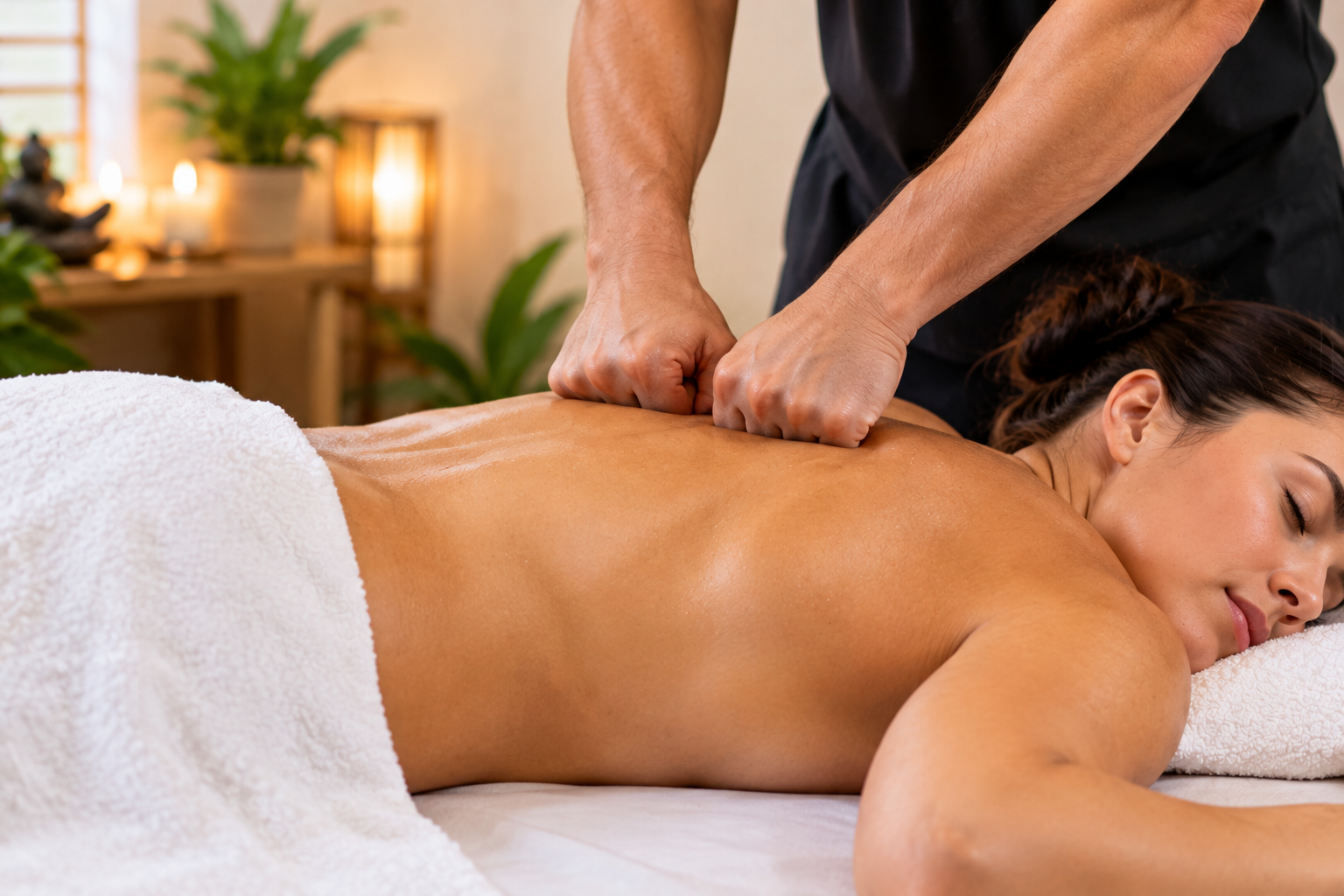
Deep tissue massage uses firmer, more focused pressure than many relaxation-oriented massage techniques. The practitioner works on selected areas of the body using controlled movements and pressure.
People may consider this approach when they experience everyday muscle tightness or prefer a more targeted massage.
A few important points to remember:
- Pressure should be adjusted to the client’s comfort.
- Communication is important throughout the session.
- Deep pressure is not necessarily better for everyone.
- People with injuries or certain health conditions should seek appropriate advice before booking.
The goal should be a comfortable, properly adapted session rather than tolerating unnecessary pain.
3. Swedish Massage Therapy
Swedish massage therapy is commonly associated with relaxation. It typically involves flowing strokes, gentle kneading and other movements applied to the soft tissues.
This approach may suit people who prefer a lighter-pressure massage experience. It can also be a useful option for someone trying massage therapy for the first time.
Common features include:
- Long, flowing massage strokes.
- Gentle kneading movements.
- A focus on relaxation and comfort.
- Pressure that can be adjusted to individual preferences.
If you are unsure which massage style to choose, discussing your preferences with the therapist can help you make a suitable decision.
4. Hot Stone Massage
Hot stone massage incorporates smooth, heated stones into the massage experience. The warmth can create a soothing sensation while the practitioner uses appropriate massage techniques.
Before choosing this treatment, tell the practitioner about any skin sensitivities, reduced temperature sensation or other relevant health concerns. Stone temperature should always be carefully controlled.
5. Aromatherapy Massage
Aromatherapy massage combines massage techniques with selected essential oils. The scents may contribute to a relaxing sensory experience, depending on individual preferences.
Before the session, mention any allergies, asthma triggers, skin sensitivities or fragrance preferences. Essential oils should be used appropriately and should not be assumed to be suitable for everyone.
6. Cupping Therapy
Cupping therapy uses specially designed cups to create suction on selected areas of the skin. It is a different approach from conventional massage techniques.
Some people explore cupping as part of their wellness routine. However, it can leave temporary circular marks, and it is not appropriate for every individual. A qualified practitioner should assess suitability and explain potential side effects before treatment.
How Can the Right Massage Support Your Well-Being?
Choosing an appropriate massage technique can help create a more comfortable and enjoyable wellness experience.
Depending on the technique and individual circumstances, massage may offer benefits such as:
Relaxation: A calm treatment environment and suitable massage movements can help people unwind.
Temporary relief from muscle tension: Some massage techniques may help ease feelings of tightness in selected areas.
Personalised comfort: Different pressure levels and massage styles allow sessions to be adapted to individual preferences.
Time for self-care: Scheduling a massage can provide an opportunity to step away from everyday responsibilities and focus on personal well-being.
Greater body awareness: A massage session may help people become more aware of areas where they regularly experience tension or discomfort.
Massage is not a substitute for medical assessment or treatment. Results vary, and people with persistent pain or unexplained symptoms should consult an appropriate healthcare professional.
How to Choose the Right Massage Therapy Services
With different treatments available, choosing the right option can seem confusing. Consider the following factors before making an appointment.
Understand Your Preferences
Think about the kind of experience you want. Do you prefer gentle pressure, a more focused technique or a relaxing treatment involving warmth or essential oils?
Knowing your preferences can help you discuss suitable options with the therapist.
Check the Therapist’s Experience
Look for a practitioner with relevant training and experience in the massage techniques being offered. Ask about their approach and whether they can adapt the session to your comfort.
Discuss Your Health and Comfort
Share relevant information about injuries, skin conditions, allergies, pregnancy, recent surgery or other health concerns before your appointment. This helps the practitioner consider whether a particular treatment is suitable.
Review the Available Treatments
A professional massage therapy provider should clearly explain the techniques available, expected session duration and any relevant precautions. Ask questions if you are unsure about a treatment.
Consider Hygiene and Communication
A clean treatment environment, clear explanations and respectful communication are important parts of a positive massage experience.
What to Expect During Your First Massage Session
If you have never booked a massage before, knowing what happens during the appointment can make the experience more comfortable.
1. Initial discussion: The practitioner may ask about your expectations, preferences and relevant health information.
2. Choosing the technique: You can discuss available massage options and decide which approach may suit your needs.
3. Pressure preferences: Explain whether you prefer light, moderate or firmer pressure. You can request an adjustment at any point.
4. The massage session: The practitioner performs the agreed technique while considering your comfort and feedback.
5. After the session: Take time to get up slowly and communicate how you feel. Follow any appropriate aftercare advice provided by the practitioner.
Remember that you can speak up if something feels uncomfortable. A good treatment experience should involve clear communication.
Why Choose Acupressure Massage Therapy?
Choosing a massage provider involves more than selecting a treatment from a list. Experience, communication, treatment options and attention to client comfort all matter.
Acupressure Massage Therapy offers a range of massage approaches for people interested in relaxation and general wellness. Its service offering includes different techniques, allowing clients to explore options based on their preferences and treatment goals.
When considering a session, you can:
- Explore different massage techniques.
- Discuss your preferences before treatment.
- Ask questions about the approach being used.
- Share any relevant health or comfort concerns.
- Find an option that aligns with your personal wellness needs.
The business highlights its extensive experience in massage therapy. If you are considering a session, visit the website to explore the available services and contact the team for appointment information.
Frequently Asked Questions About Massage Therapy Services
1. What are the most common massage therapy services?
Common options include acupressure, Swedish massage, deep tissue massage, hot stone massage, aromatherapy and cupping therapy. Availability varies by provider.
2. What is the difference between acupressure and deep tissue massage?
Acupressure applies manual pressure to specific points on the body, while deep tissue massage uses firmer, focused techniques on selected soft-tissue areas. They have different methods and treatment experiences.
3. Is Swedish massage suitable for beginners?
Swedish massage is often considered a beginner-friendly option because it commonly uses flowing strokes and adjustable pressure. However, suitability depends on personal preferences and health circumstances.
4. How long does a massage therapy session last?
Session duration varies depending on the provider and treatment selected. Ask about the available appointment lengths before booking.
5. How often should I get a massage?
There is no single schedule that suits everyone. Frequency depends on personal preferences, treatment goals, health circumstances and professional guidance.
6. What should I do before a massage appointment?
Share relevant health information, mention allergies or sensitivities, communicate your pressure preferences and ask any questions about the treatment beforehand.
7. Can massage therapy help with muscle tension?
Some massage techniques may provide temporary relief from everyday muscle tension and support relaxation. Persistent or severe discomfort should be assessed by a healthcare professional.
Explore Massage Therapy Services for Your Wellness Needs
Choosing a suitable massage starts with understanding the different techniques and considering your individual preferences. From acupressure treatment to deep tissue and Swedish massage therapy, each approach offers a different experience.
If you are exploring professional massage therapy, Acupressure Massage Therapy can help you learn more about its available services and treatment options. Visit the website or contact the team to discuss your preferences and find out about booking an appointment.