
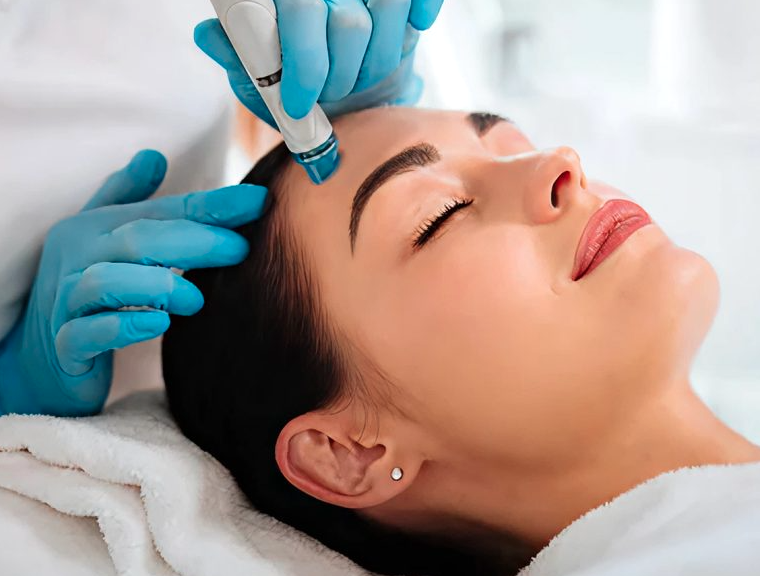
HydraFacial treatment in Dubai is a popular non-invasive facial treatment for people who want cleaner, smoother, more hydrated and refreshed-looking skin without significant downtime. Unlike a basic facial, HydraFacial combines cleansing, exfoliation, extraction and hydration in a structured treatment designed to address multiple skin concerns in one session.
From congested pores and blackheads to dryness, dullness and uneven skin texture, the treatment can be customized according to individual skincare needs. HydraFacial treatments commonly use a specialized device with a vortex-based tip to cleanse and exfoliate the skin while helping remove impurities and deliver hydrating solutions.
For people living in Dubai, where sun exposure, air conditioning and environmental factors can contribute to dehydration and skin congestion, a personalized facial treatment can be a useful addition to a consistent skincare routine.
What Is a HydraFacial Treatment?
HydraFacial is a non-surgical facial treatment that combines several skincare steps into one procedure. These generally include cleansing, exfoliation, extraction and hydration.
The treatment is designed to improve the appearance of the skin without the more significant downtime associated with some aggressive resurfacing procedures.
The exact treatment can vary depending on the provider, equipment, skin condition and optional boosters or serums used.
A typical HydraFacial treatment includes three main stages:
1. Cleanse and exfoliate
The skin is cleansed and surface impurities and dead skin cells are removed. This helps prepare the skin for the following steps.
2. Extract and hydrate
A specialized suction system helps remove impurities from pores while hydrating solutions are applied to the skin.
3. Fuse and protect
Customized skincare solutions may then be applied according to the person’s skin concerns and treatment goals. Medcare describes these stages as cleanse and peel, extract and hydrate, and fuse and protect.
The treatment typically takes around 30–60 minutes, although the exact duration can vary depending on the treatment and any additional options. King’s College Hospital Dubai, for example, describes HydraFacial sessions as approximately 30–75 minutes depending on add-ons.
HydraFacial Benefits
One reason HydraFacial has become popular is that several skincare steps are combined into a single treatment.
Potential HydraFacial benefits include:
- Smoother-looking skin
- Improved hydration
- A brighter-looking complexion
- Removal of surface impurities
- Cleaner-looking pores
- Reduction in the appearance of blackheads
- Improved skin texture
- Temporary improvement in the appearance of fine lines
- A refreshed and more radiant appearance
The treatment may also be customized for different skin concerns. Medcare notes that HydraFacial can be used for concerns including dryness, oily skin, acne-prone skin, enlarged pores, fine lines, wrinkles and uneven skin tone.
However, results vary between individuals. HydraFacial should not be viewed as a replacement for medical treatment when someone has a significant dermatological condition.
Is HydraFacial Suitable for Your Skin Type?
One of the advantages of HydraFacial is that the treatment can be adjusted according to individual skin needs.
It may be considered by people experiencing:
Dry or dehydrated skin
Hydrating solutions can help improve the appearance of skin that looks dry, dull or tired.
Oily or congested skin
The cleansing and extraction components can help remove excess oil and impurities from the pores.
Enlarged-looking pores
Removing accumulated debris can make pores appear cleaner and less noticeable.
Dull skin
Exfoliation and hydration can help create a smoother, more radiant appearance.
Acne-prone skin
HydraFacial may be used as part of a skincare approach for congested or acne-prone skin. Some treatment protocols can incorporate ingredients such as salicylic acid, depending on the provider and individual skin needs.
For persistent, inflammatory or severe acne, however, it is important to seek an appropriate dermatological assessment rather than relying solely on a cosmetic facial.
HydraFacial for Acne and Congested Skin
HydraFacial for acne is generally focused on cleansing, exfoliation, extraction and hydration rather than treating every underlying cause of acne.
The extraction stage may help remove blackheads and excess oil from congested pores, while customized solutions can be selected according to skin needs.
However, active acne can have different causes and levels of severity. A skincare professional or dermatologist should determine whether HydraFacial is appropriate, particularly if there is significant inflammation, irritation or active skin disease.
HydraFacial Treatment in Dubai: Why Local Skin Conditions Matter
Dubai’s environment can create specific skincare challenges.
Regular exposure to intense sunlight, outdoor heat, air conditioning and dry indoor environments may contribute to dehydration, dullness and changes in skin appearance.
That does not mean HydraFacial can reverse all effects of the Dubai climate. Instead, the treatment can be considered as one component of a broader skincare routine that includes:
- Daily sunscreen
- Appropriate moisturization
- Gentle cleansing
- Adequate hydration
- Skin-specific active ingredients
- Professional skincare when appropriate
A consultation can help determine whether HydraFacial is suitable for your current skin condition.
What Happens During a HydraFacial Treatment?
A typical session follows a straightforward process.
Step 1: Skin assessment
Your skin type, concerns and goals should be discussed before treatment.
Step 2: Cleansing
The skin is cleansed to remove surface oil, makeup and impurities.
Step 3: Exfoliation
The treatment gently removes surface dead skin cells.
Step 4: Extraction
A specialized device uses suction to help remove impurities from pores.
Step 5: Hydration
Hydrating and nourishing solutions are applied to the skin.
Step 6: Customized finishing treatment
Depending on your treatment plan, additional boosters or skincare solutions may be incorporated.
Because treatment protocols vary, your provider should explain exactly what will be included in your session.
Is HydraFacial Painful?
Most people describe HydraFacial as a comfortable treatment. You may feel suction, pressure or the movement of the treatment tip across your skin, but it generally does not involve the level of discomfort associated with more invasive procedures.
King’s College Hospital Dubai describes HydraFacial as involving no downtime or discomfort, while Medcare notes that patients may feel slight pressure from the treatment wand.
Individual experiences can vary depending on skin sensitivity and the specific treatment protocol.
How Long Does a HydraFacial Take?
A standard HydraFacial session commonly takes around 30–60 minutes.
Additional boosters or customized treatment steps can increase the duration. King’s College Hospital Dubai states that treatment can range from approximately 30 to 75 minutes depending on add-ons.
This relatively short treatment time makes HydraFacial appealing to people who want a professional facial without spending several hours at a clinic.
Is There Any Downtime After HydraFacial?
HydraFacial is generally considered a low-downtime treatment.
Many people can return to their usual activities soon after treatment. However, aftercare recommendations can vary depending on your skin and the products or additional treatments used.
For example, Medcare recommends limiting heat, intense exercise and excessive sun exposure immediately after treatment and avoiding certain exfoliating treatments for a short period.
Your provider should give you personalized aftercare instructions.
What Results Can You Expect?
One of the reasons people choose HydraFacial is the possibility of seeing a fresher-looking complexion soon after treatment.
You may notice:
- Smoother-feeling skin
- Improved hydration
- A brighter-looking complexion
- Cleaner-looking pores
- A temporary post-treatment glow
- More even-looking skin texture
However, the longevity and degree of improvement vary.
It is important not to confuse an immediate improvement in skin appearance with a permanent correction of a skin condition. Some concerns require ongoing skincare or additional professional treatments.
How Often Should You Get a HydraFacial?
There is no single schedule that is appropriate for everyone.
Treatment frequency can depend on:
- Skin type
- Current skin condition
- Treatment goals
- Existing skincare routine
- Sensitivity
- Whether additional treatments are being performed
Some people may choose occasional HydraFacial sessions before an event, while others may incorporate professional facials into a longer-term skincare plan.
Rather than automatically scheduling frequent treatments, it is better to discuss your skin’s needs with a qualified professional.
HydraFacial vs a Traditional Facial
A traditional facial can include cleansing, exfoliation, massage, masks and moisturizing products.
HydraFacial uses specialized equipment to combine cleansing, exfoliation, extraction and hydration in a more structured treatment.
Neither is automatically “better” for everyone.
The right option depends on your skin concerns and what you want to achieve.
If your main goal is relaxation and basic skincare, a traditional facial may be sufficient. If you are particularly concerned about congestion, hydration and skin texture, a HydraFacial may be worth discussing with a skincare professional.
HydraFacial vs Chemical Peel
Chemical peels use specific chemical solutions to exfoliate the skin at different depths depending on the formulation.
HydraFacial generally provides a gentler combination of cleansing, exfoliation, extraction and hydration.
A chemical peel may be considered when a person has particular concerns such as pigmentation, acne or texture, but the appropriate peel depends on skin type and the condition being treated.
A professional consultation can help determine which approach is more appropriate.
HydraFacial vs Microdermabrasion
Both treatments can involve exfoliation, but their technologies and treatment experiences differ.
Microdermabrasion traditionally uses an abrasive mechanism to remove surface skin cells, while HydraFacial uses a specialized device and fluid-based vortex technology. Skin111 describes HydraFacial as a water-based alternative to traditional abrasive microdermabrasion.
The best option depends on your skin, sensitivity and treatment objectives.
How Much Does HydraFacial Cost in Dubai?
The HydraFacial cost in Dubai can vary between clinics and treatment plans.
Factors that may affect the price include:
- Type of HydraFacial
- Treatment duration
- Skin concerns
- Customized boosters
- Additional treatments
- Practitioner or therapist
- Clinic location
- Number of sessions
When comparing prices, don’t look only at the headline amount.
Ask what is included in the package and whether the price covers consultation, boosters, aftercare and any additional treatment steps.
A lower advertised price may not represent the same treatment as a more comprehensive customized session.
How to Choose the Best HydraFacial in Dubai
Searching for the best HydraFacial in Dubai can produce many options, but the cheapest treatment is not necessarily the best choice.
Consider the following:
Check the treatment provider
Find out who will perform your treatment and what relevant training or qualifications they have.
Ask about the equipment
Ask whether the clinic uses authentic HydraFacial equipment and what treatment protocol will be followed.
Request a skin assessment
A good provider should understand your skin concerns before recommending a treatment.
Ask what is included
Clarify whether boosters, extractions, masks or other additions are included in the advertised price.
Review aftercare
You should receive clear instructions about what to do after your treatment.
Avoid unrealistic promises
Be cautious of claims that guarantee permanent removal of acne, pigmentation, wrinkles or other skin problems.
A professional skincare approach should focus on realistic, individualized results.
Who Should Avoid or Postpone HydraFacial?
Although HydraFacial is generally gentle, it may not be appropriate during certain skin conditions or circumstances.
You may need to postpone treatment if you have:
- Active sunburn
- Significant skin irritation
- Open wounds
- Certain active rashes
- An active skin infection
- Recent aggressive cosmetic treatment
Pregnancy or other medical circumstances may also require additional discussion with a healthcare professional.
If you are using prescription skincare products, undergoing dermatological treatment or have a diagnosed skin condition, tell your provider before treatment.
HydraFacial Aftercare Tips
To support your skin after treatment:
- Follow your provider’s recommendations
- Use sunscreen regularly
- Avoid excessive heat immediately after treatment if advised
- Avoid aggressive exfoliation for the recommended period
- Keep your skin appropriately moisturized
- Avoid introducing multiple new skincare products immediately after treatment
Your exact aftercare routine should be based on your treatment and skin condition.
Frequently Asked Questions
Is HydraFacial good for all skin types?
HydraFacial can be customized for many different skin types and concerns, but individual suitability should still be assessed before treatment.
How long does a HydraFacial treatment take?
A typical treatment may take around 30–60 minutes, while customized sessions with additional options can take longer.
Does HydraFacial hurt?
Most people find HydraFacial comfortable. You may feel mild pressure or suction from the device during treatment.
Can HydraFacial help with acne?
HydraFacial may help with congestion, excess oil and blackheads, but persistent or severe acne may require a dermatological treatment plan.
How often should I get HydraFacial?
The ideal frequency depends on your skin type, concerns and treatment goals. A skincare professional can recommend a schedule based on your individual needs.
Is there downtime after HydraFacial?
HydraFacial is generally a low-downtime treatment, and many people return to their normal activities shortly afterward. However, aftercare requirements vary by treatment.
How much does HydraFacial cost in Dubai?
The price varies depending on the clinic, treatment type, duration, boosters and customization. Ask for a detailed treatment plan before comparing prices.
Can I wear makeup after HydraFacial?
Aftercare recommendations vary. Some providers advise waiting before applying makeup, particularly when additional treatments are included. Follow your provider’s specific instructions.
Why Choose Slimspa Clinic for HydraFacial Treatment in Dubai?
At Slimspa Clinic, the focus should be on understanding your skin concerns before recommending a treatment. A personalized approach can help determine whether HydraFacial is appropriate for your skin and whether additional skincare treatments may complement your goals.
Rather than choosing a facial based solely on a promotion, discuss your concerns, expected results and treatment options with the clinic team.
Hydrafacial treatment Dubai is a convenient option for people looking to improve the appearance of hydration, texture, congestion and overall skin radiance without significant downtime.
Its combination of cleansing, exfoliation, extraction and hydration makes it versatile, but the best results come from choosing a treatment based on your individual skin rather than simply following a trend.
If you’re comparing the best Hydrafacial in Dubai, look beyond price. Consider the provider, equipment, treatment customization, hygiene standards, consultation process and aftercare.
At Slimspa Clinic, you can discuss your skin concerns and explore whether HydraFacial is the right option for your skincare goals.
Ready to refresh your skin? Book a HydraFacial consultation with Slimspa Clinic and discover a treatment plan tailored to your skin needs.